 English
 Català
 Español
Co-development
Since 2007, we have supported the development of local projects that address local needs, so that young people in the town do not have to leave due to a lack of quality and sustainable local job opportunities.
CEHDA’s co-development programmes are mainly carried out in the Sawla-Tuna-Kalba District, especially in the community of Sawla, in northern Ghana.
Sawla is a town located in the Savannah Region, in the north-west of the country. It is a region of great cultural richness, mainly dedicated to agriculture and trade. Sawla currently has a diverse population of around 10,000 inhabitants from about ten different ethnic groups. In recent years, its agricultural production has become increasingly dependent on external inputs, and many people have come to feel that farming or living in the area is no longer worthwhile. As a result, they decide to migrate to large cities or to Europe due to the lack of prospects for an encouraging future in the town.
During 2019 and 2020, we carried out a reflection process to evaluate the projects in Ghana and redirect our efforts towards self-sustaining and resilient initiatives in the medium and long term. Since then, the programmes in Ghana have been framed around the goal of working to ensure a healthy environment as a driver of sustainable human development, placing local knowledge at the centre.
In this regard, we have worked and continue to work to facilitate access to education based on local knowledge for students in the district. Environmental and educational projects have been carried out, such as ecological farming, creating spaces to discuss environmental or social issues according to local interests. We have also promoted the revitalisation of traditional cultural expressions as a key element of pride, cultural reaffirmation and local resilience. In addition, we have prioritised initiatives that promote local concerns aimed at developing sustainable local employment opportunities.
CEHDA always works hand in hand with the different ethnic groups in the area, ensuring the representation of different perspectives and forms of knowledge.
Resilience through our knowledge and seeds
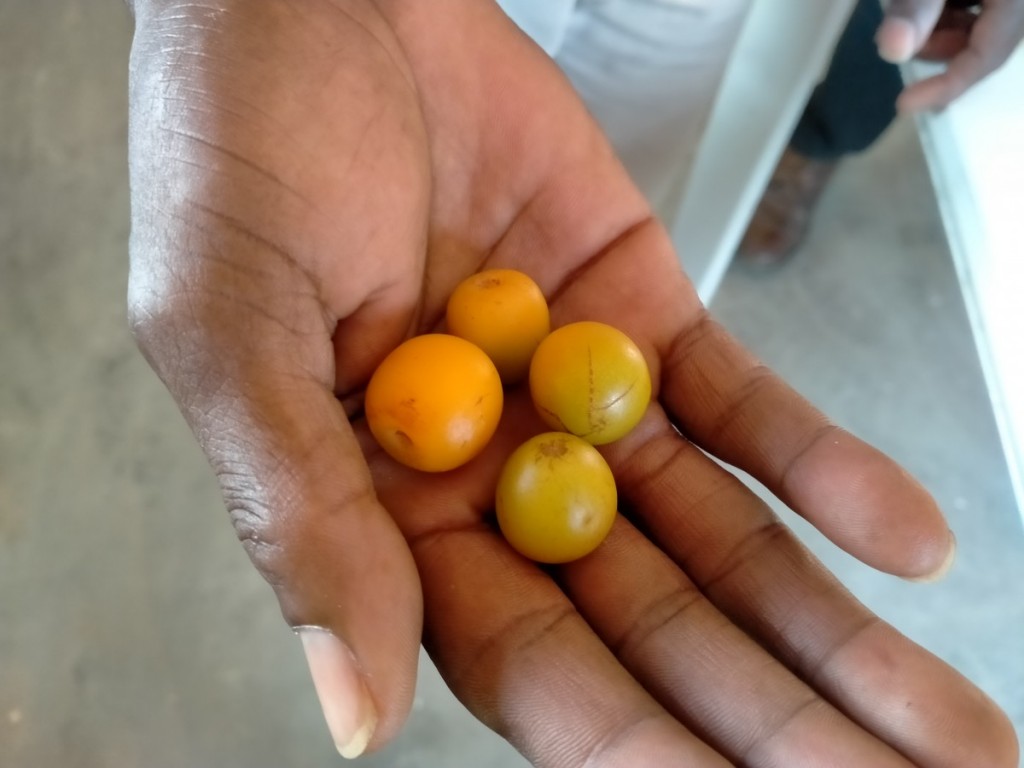
Since 2021, with the support of the local community, members and Catalan administrations, we have been working in Sawla on the recovery of local seeds and knowledge with the aim of improving local resilience, legitimising local opportunities while promoting ancestral and local knowledge that complements current school curricula.
In this regard, different lines of work have been carried out or launched, such as:
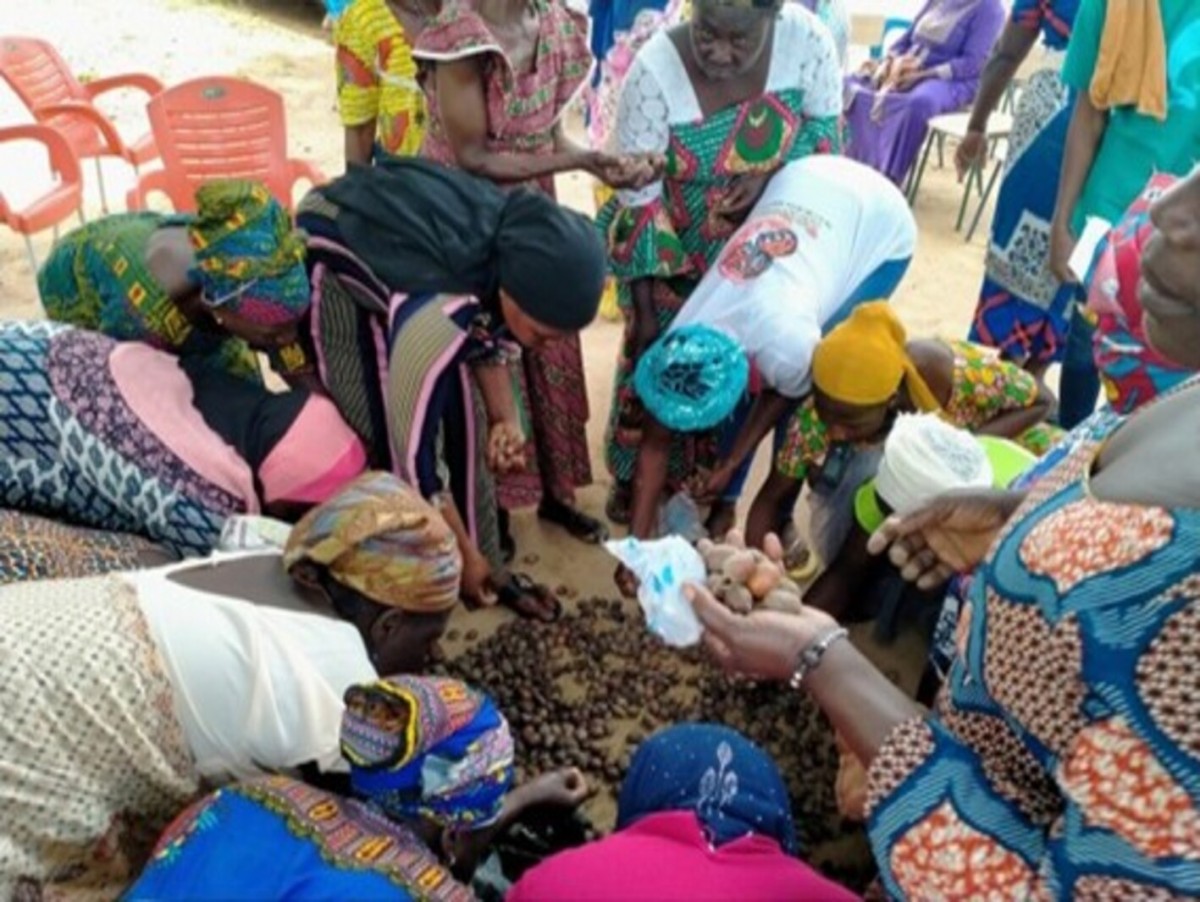
The creation of an ancestral seed bank for the town, “Ancestral Seed Home”, with community participation. This bank stores more than 40 types of local seeds. The process of creating the seed bank has included the following tasks:
-
Searching for, locating and acquiring local seeds.
-
Documenting and classifying seeds and trees according to their use, by gender and ethnic group, ecological and cultural characteristics, etc.
-
Preparing the seed bank facilities.
-
Growing local seeds in CEHDA’s experimental field for their maintenance.
-
Evaluation interviews with elders, women farmers and men farmers on the value and quality of the seed bank.
The local CEHDA Ghana team takes care of the seeds stored in the seed bank throughout the year in order to provide them to farmers who want to return to growing local seeds that had fallen into disuse with the introduction of seeds from foreign companies. These seeds not only displaced traditional seeds and farming methods, but also made farmers dependent on products such as seeds or fertilisers that they have to buy every year. The seed bank is also an educational tool visited by students from local schools.
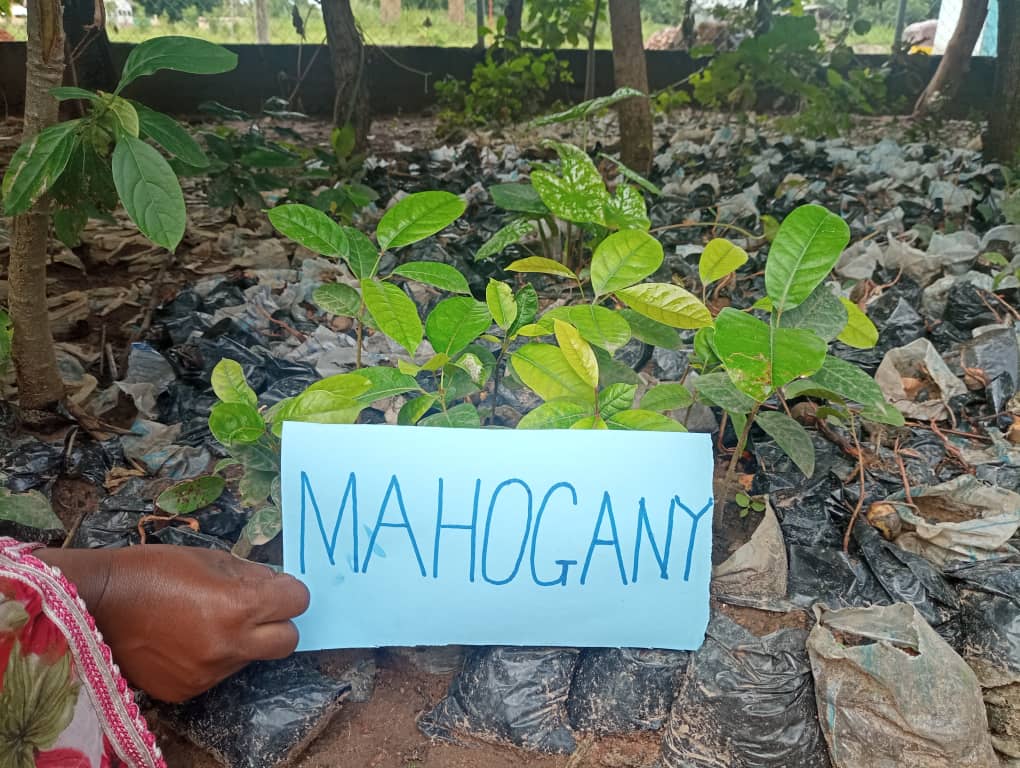
The work with tree nurseries, “Ancestral Tree Nursery”, focuses on native tree nurseries in schools for subsequent reforestation. We carry out this activity in collaboration with WIACT. The work with nurseries includes the following tasks:
-
Preparing nursery facilities on CEHDA’s land and in schools in the district.
-
Collecting seeds in the forest for seedlings and caring for the seedlings.
-
Subsequent reforestation.
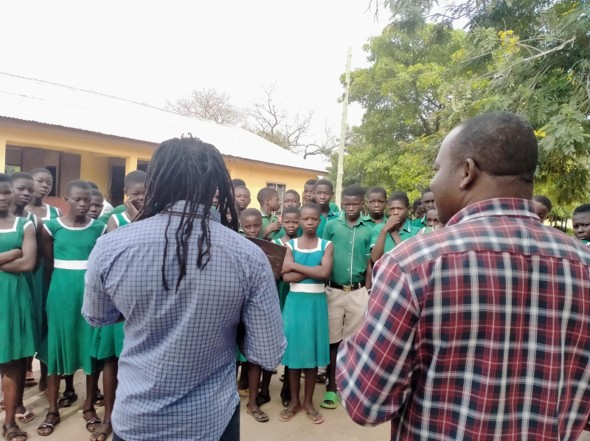
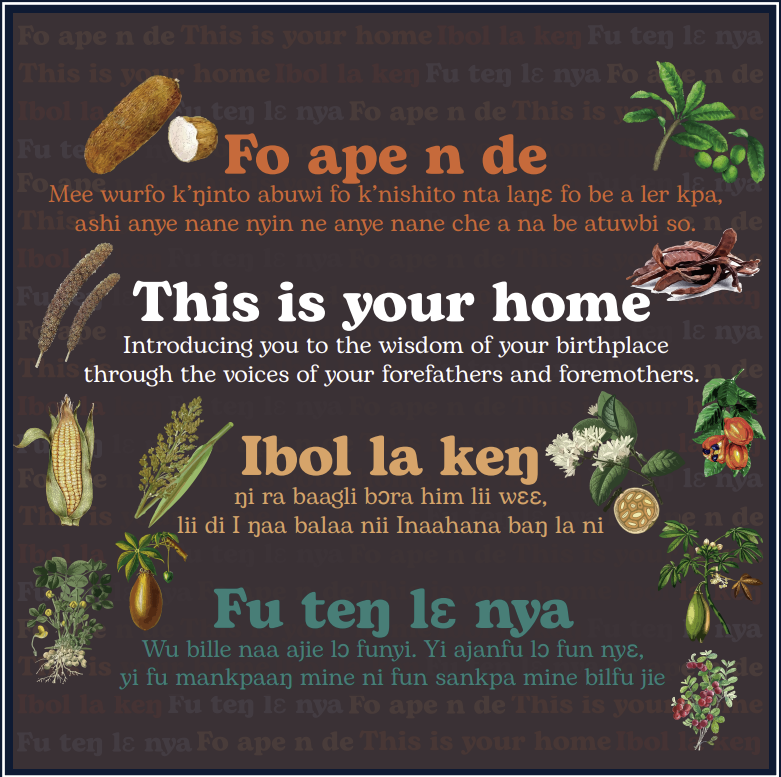
Work in schools on the importance of ancestral and local knowledge, and on knowledge of local seeds and trees and their uses, through the publication “This is your home”. In schools, we carry out workshops focused on reconnecting with local and ancestral knowledge related to caring for the environment and sustainable agricultural practices, in order to encourage and promote the recovery of communities’ cultural and food sovereignty. This process has involved the following tasks:
-
Identifying and meeting with local elders to gather knowledge about ancestral seeds included in the publication “This is your home”.
-
Meetings and work with schools in Sawla.
-
Designing and carrying out an ancestral tree drawing competition with more than 500 students from the Sawla community.
-
Writing the educational book “This is your home” on ancestral trees and seeds for school and community use in local languages.
-
Community delivery and planting of trees in schools and installation of water tanks to water the trees.
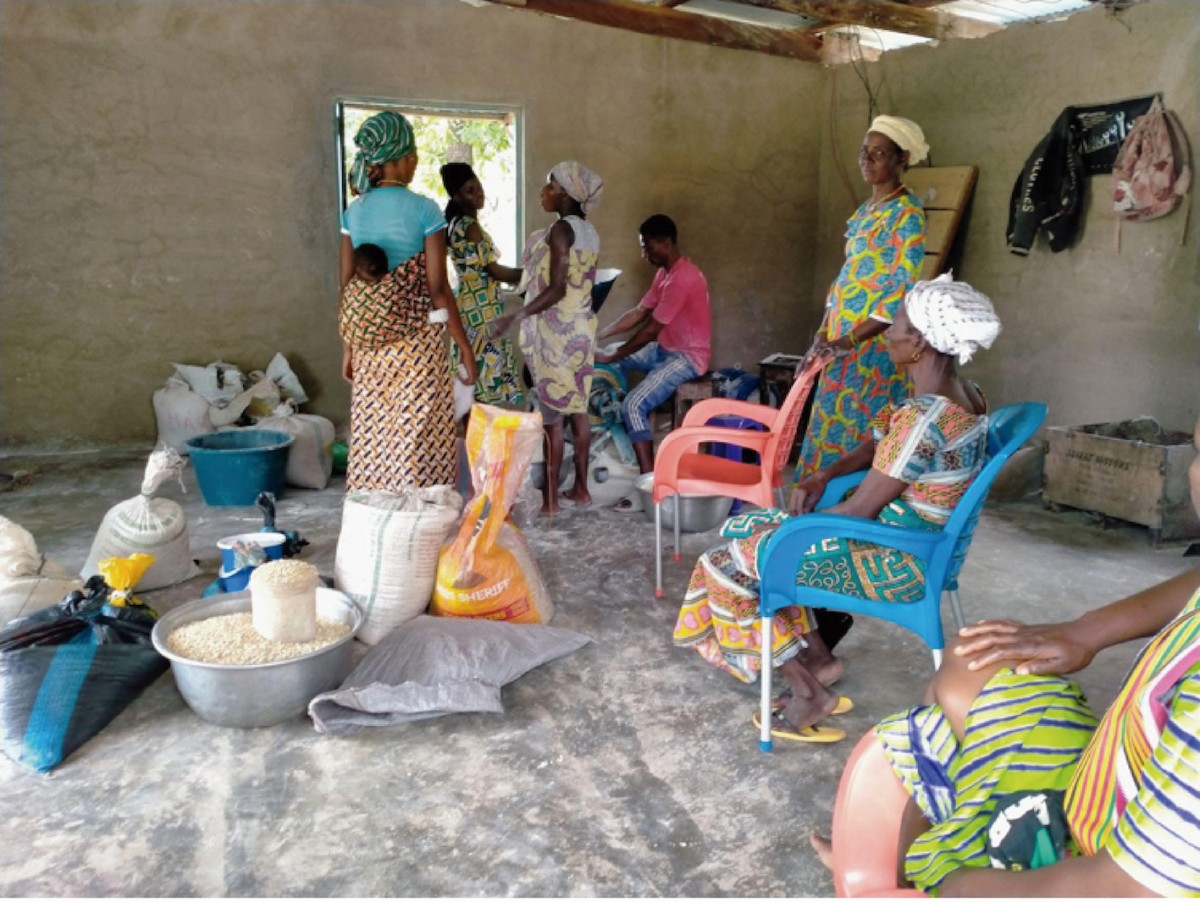
onstruction and launch of the “Ancestral Seeds Mill” for processing local seeds. For this activity, the facilities where the mill is located were built, the mill was purchased, and its conditions of use were shared, making it easier to mill ecological and local seeds.
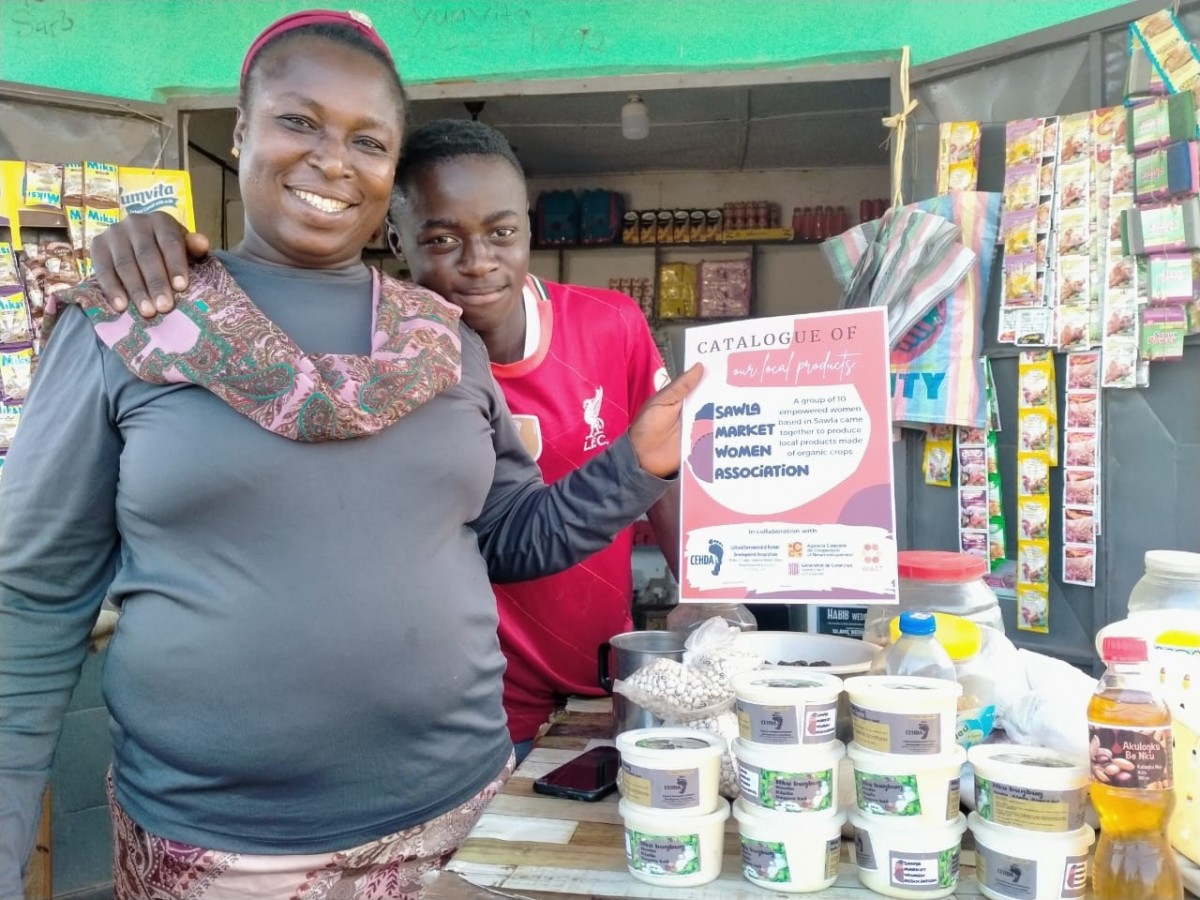
Regarding the production and commercialisation of products made with ecological local seeds, market analysis, prospecting and sales testing have been carried out through the following tasks:
-
Research and analysis of local and national markets for organic products.
-
Research into local ecological packaging possibilities and testing.
-
Brand design to promote ancestral knowledge.
-
Grinding grain to produce flour from some of the crops in the experimental field for testing.
-
Production of ecological seed packages —seed flours— for sales piloting.
-
Evaluation by women of the interest, challenges and motivation involved in processing, packaging and selling ecological products made from local seeds.
This is a path we continue to work on hand in hand with the Sawla Market Woman Association. In parallel, we promote local economic initiatives led by women, such as the management of a small shop selling products such as shea butter and food condiments. The woman responsible for the shop is a former beneficiary of CEHDA Ghana’s Children’s Home project.
In this regard, a local and traditional food restaurant has also been built on CEHDA’s own land. It is intended to be managed by women and to serve as a space for transmitting knowledge between elders and school students through workshops on local and traditional cooking.
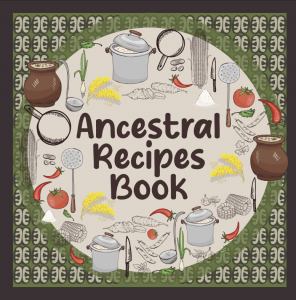
As a result of the work with women and local cooking knowledge, the “Ancestral Recipes Book” has been published as a collection of local recipes in three local languages: Gonja, Lobi and Vagla.
As part of the work to place local perspectives and knowledge at the centre, five audiovisual documents have also been produced to share glocal stories from northern Ghana with the Global North. We present this documentary series under the title “Learning from Northern Ghana”, produced in collaboration with Fora de Quadre (https://foradequadre.org/).
The process has included:
-
Documentation and field research in Ghana to collect audiovisual material.
-
Audiovisual filming on the violation of economic, environmental and social rights in Northern Ghana and on proposals to help reverse the situation.
-
Editing, sound and colour post-production, subtitling and translation, design and graphics.
Short film reference: https://foradequadre.org/projectes/aprenent-del-nord-de-ghana/
If you would like to organise a screening, please let us know at cehdaghana@cehdaghana.org
These actions have also been accompanied by training in ecological agriculture for farmers, young people and children from the community on local knowledge and seeds, carried out together with the elders —wise older people—.
Cinema as a working tool
Since 2020, we have embraced audiovisual media as a working tool for transformation, through community screenings that create spaces for meeting, dialogue and reflection.
The short films in the series “Learning from Northern Ghana” have been an organisational commitment to working in Ghana and in countries of the Global North, which generate social and environmental externalities, in order to project and give voice to the proposals that come to us from the South, in this case from Northern Ghana.
Since 2025, and with the purchase of equipment for outdoor cinema, CEHDA has committed to screening films and documentaries, mainly African ones, through which to address issues such as environmental protection, gender relations, migration and peace.