 English
 Català
 Español
About us
Who we are
We are an association founded by Ghanaian people living in Catalonia to improve opportunities of migrant people in Catalonia, as well as to support local resilient opportunities for communities in Sawla District, in the Savannah Region of Ghana. We also work weaving intercultural networks that help break down stereotypes about migration and promote a more humane global society.
Since we started this project in 2007, we have overcome many obstacles and have collectively learned a lot about how to accompany, care for, and work together for a fairer world, where migrating is a right at everyone’s reach. Today, we continue to learn and work for the right to migrate and for social-environmental glocal justice, thanks to the active and thoughtful participation of Ghanaian people, Catalan people as well as from all over the world who collaborate in our programs.
Team
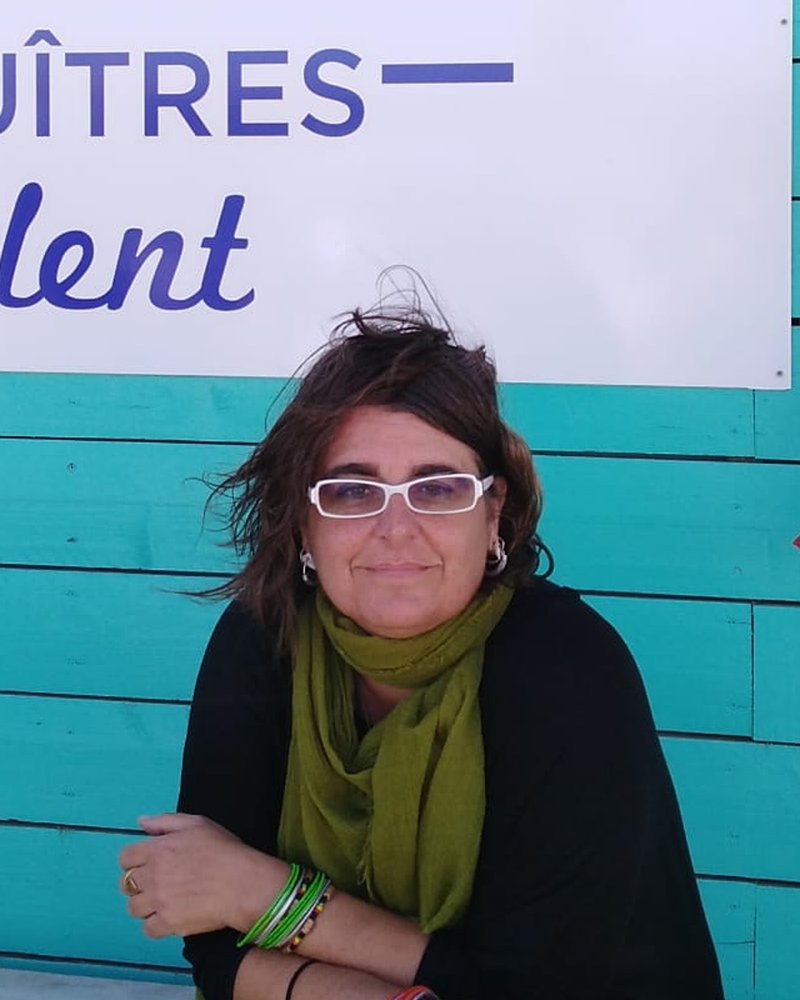
Environmental scientist and anthropologist, with a master’s degree and postgraduate studies in African societies, culture of peace and international cooperation. I firmly believe in the power of knowledge, exchange and networking among people. The world needs to be turned around, and CEHDA is one of the places where I have found space to put my effort into that. What I enjoy most is running workshops with children and young people, when ideas are free, logic is clear, and the system has not yet formatted their thinking.
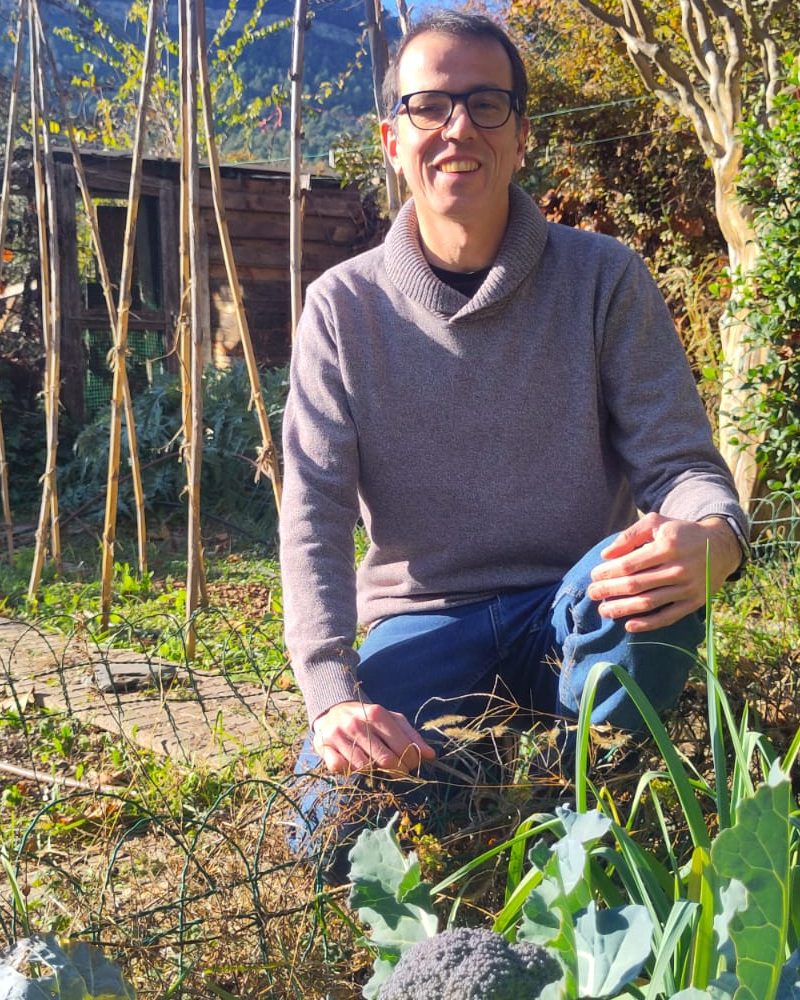
I have developed my professional career in the field of migration, both in research and in social intervention. I am a sociologist by training, with specialised training in community mediation. Following new professional challenges, in recent years I have entered the world of agroecology. I believe in the revolution of small things and, as Eduardo Galeano reminded us, “many small people, in small places, doing small things, can change the world”. I feel grateful to be part of an organisation that combines closeness to the people we work with and a firm commitment to human rights.
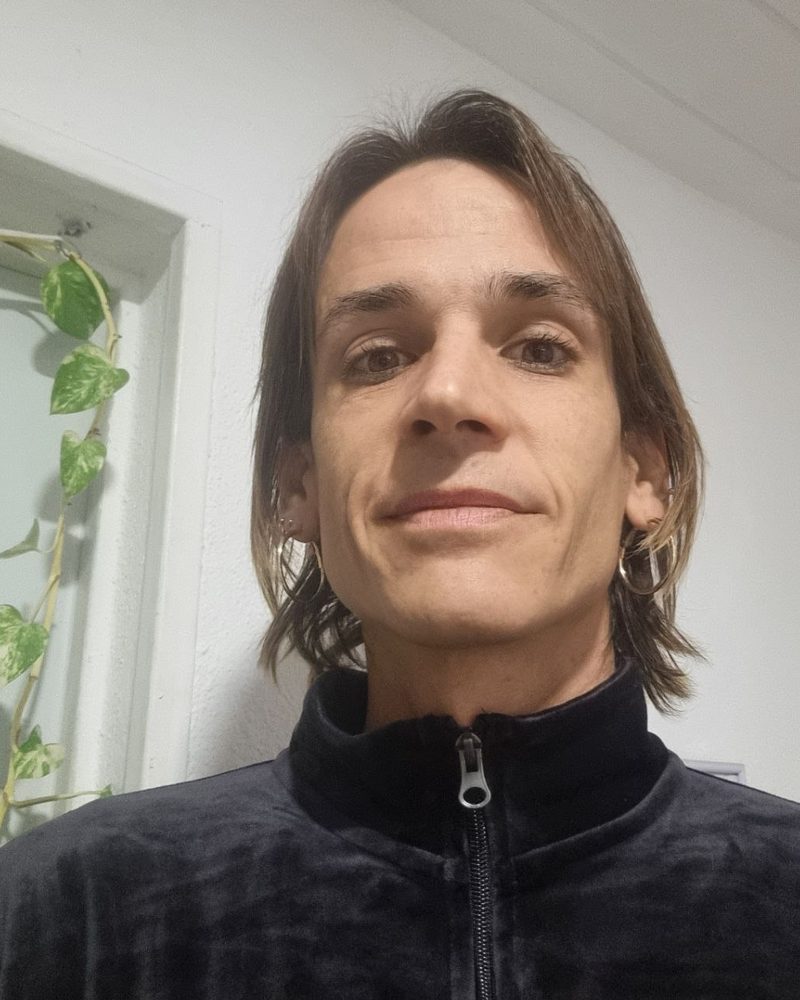
My background is quite varied, as are the challenges of the area in which I work. I have worked in the field of agroecology and have technical training in electricity and renewable energies. I also have a strong interest in languages. I like being part of a project where this versatility is seen more as a strength than as a flaw, and where I can put these small skills at the service of the struggle for global justice.
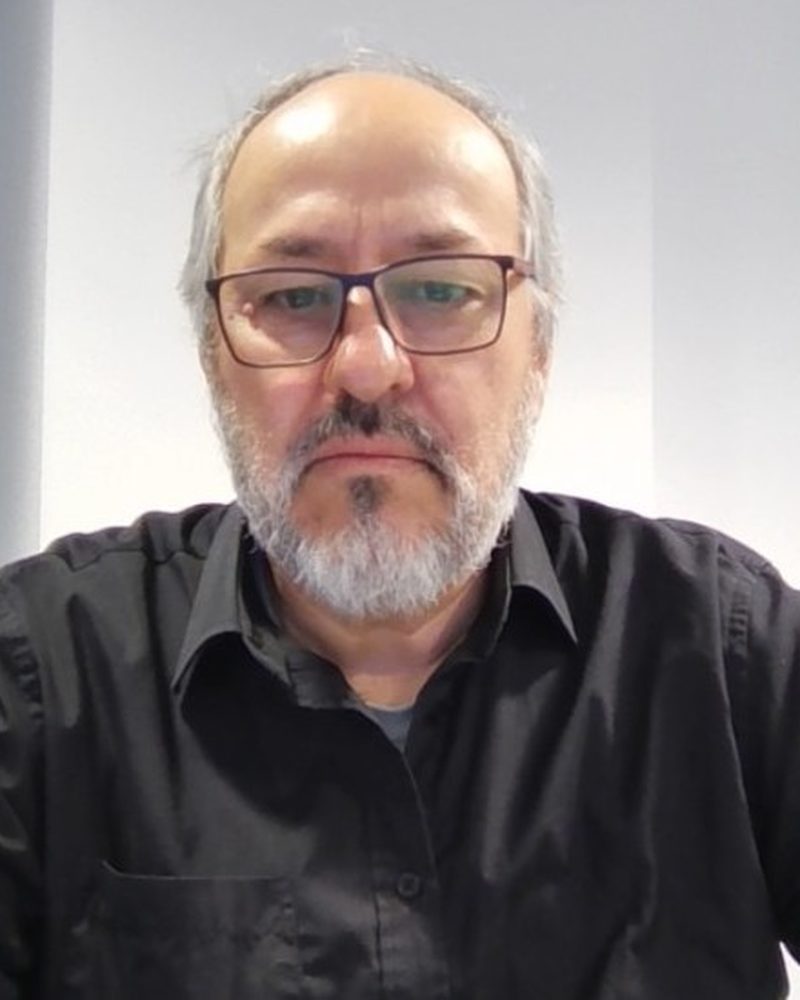
Anthropologist with training in ethnographic research, anthropological theory and intercultural relations. My experience and learning in intercultural education, human development, environmental conservation, climate change and traditional knowledge of the Indigenous peoples of Abya Yala invite me to continue discovering new paths. But not everything is philosophy and science. Music, cooking, stories and other forms of people’s art have a great power of attraction and invite me to share concerns and experiences. In this way, I feel very comfortable being part of an organisation with which I can share values and work for the dignity and human rights of people.
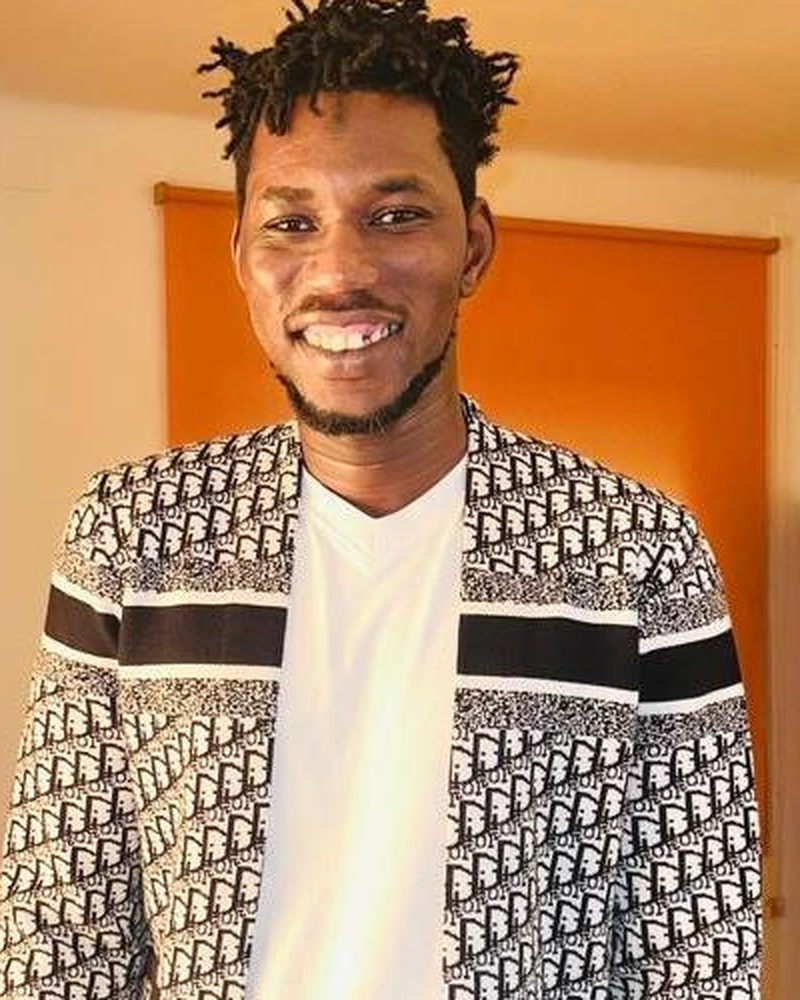
I studied up to baccalaureate level and then completed vocational training in computer maintenance and networks. In Senegal, I was active for many years in the associative life of my city and region through secular scouting, serving as a regional coordinator. Through an international project, I had my first contact with Catalonia in 2006. I arrived in Catalonia at the end of 2024, and life led me to discover CEHDA, an association that works for development, social wellbeing and freedom. My work consists of taking care of the animals on two farms in Barcelona: Can Cadena and Can Mestres. As Thomas Sankara said, “Social justice must be the main objective of every society”.
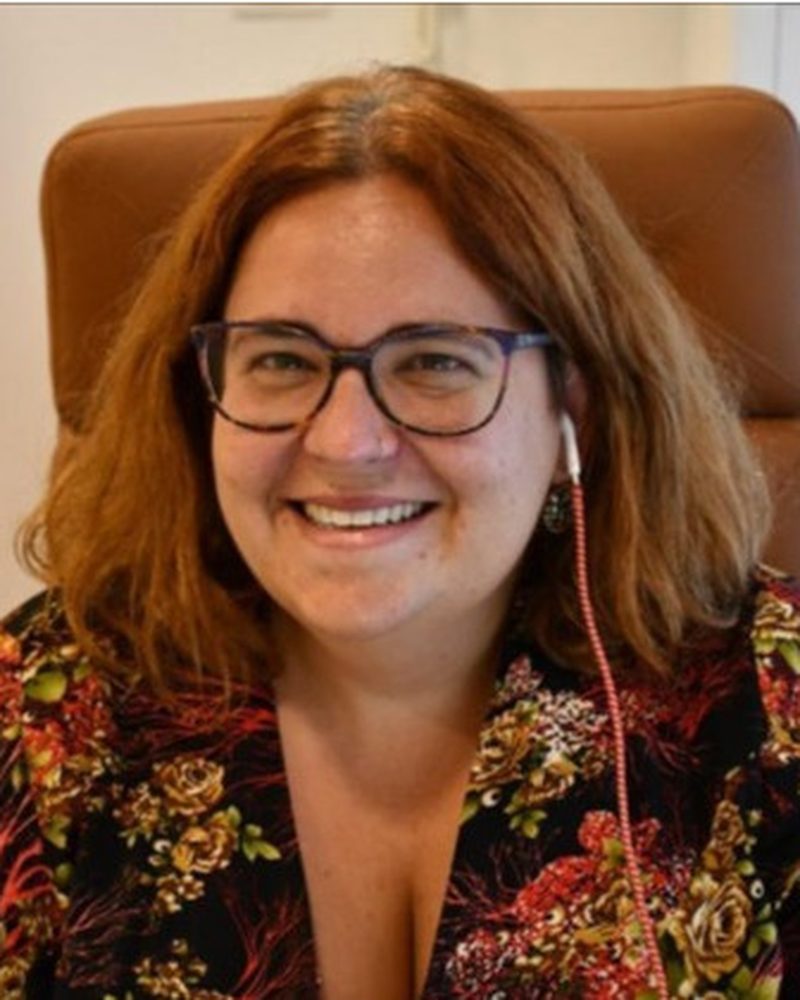
Born in Les Corts in 1985, I hold a degree in Political and Administration Sciences, specialising in international relations, and a MIM Master’s degree in Inter-Mediterranean Mediation. I have developed my career in project management in different organisations working for Global Justice, as well as in the internationalisation of Catalonia with the Department of Foreign Affairs, at the Delegation for North Africa based in Tunis. An Excel geek, active in popular culture and local politics in my neighbourhood, a polyglot, antifascist by nature, and happy to work with an organisation that matches my values and works locally and internationally for the dignity of people and their land.
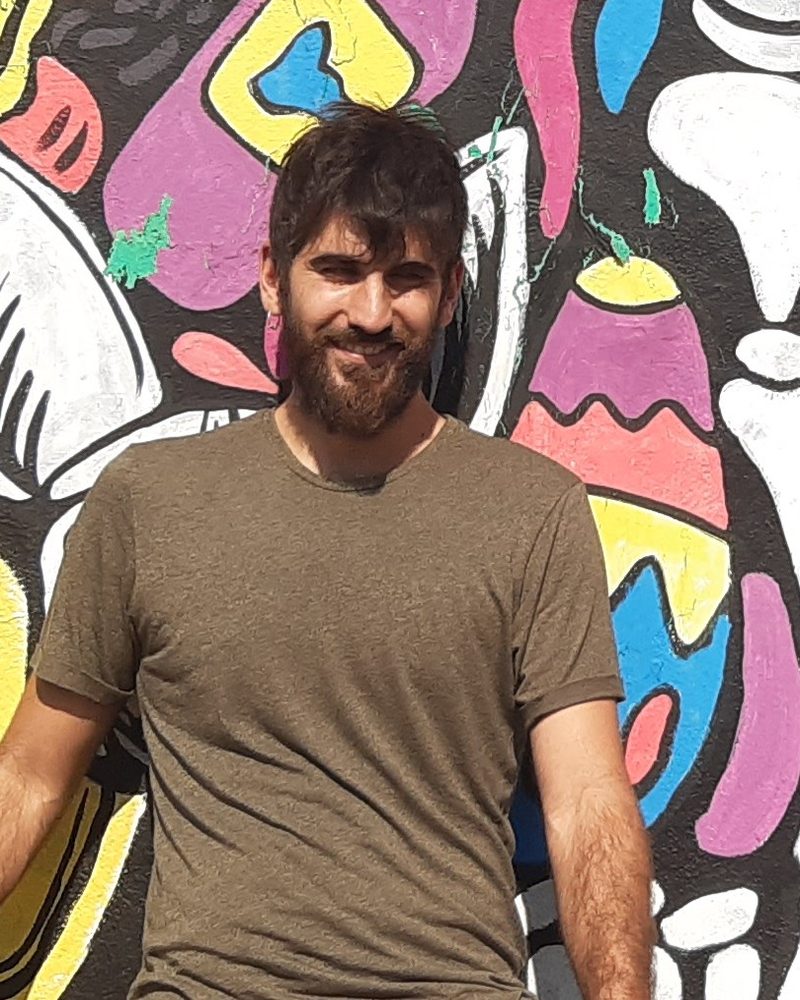
I was born in Valladolid in 1992. When the time came to go to university, we were in the middle of the economic crisis and I became interested in economics, so I decided to study Business Administration and Management. I soon realised that I did not like or agree with many of the things being taught there, so I later decided to specialise by studying a master’s degree on Non-Profit Organisations, as I felt I would not be comfortable working in other types of organisations. Since 2017, when I completed the master’s degree, I have worked in several associations as an administrative officer and managing accounting, feeling that, even though my work is office-based, I contribute to making social projects possible.
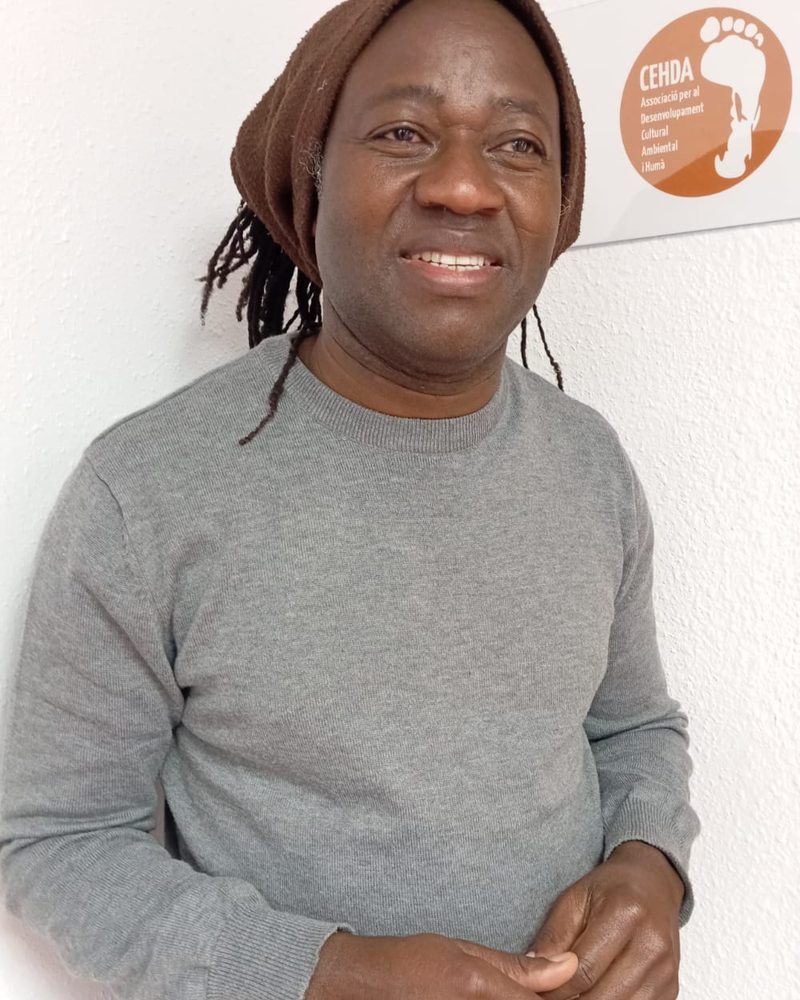
Founding member of CEHDA, an international organisation based in Barcelona and Ghana. He is a social worker and intercultural mediator, with more than 20 years of professional experience in migration, human rights, ancestral knowledge and community development in the Savannah Region of Ghana, Europe and North America. He leads and manages the organisation in collaboration with cross-border NGOs, coordinates funded projects and promotes research and practice partnerships with universities. He has solid experience in the integration of migrants, Indigenous education, agroecology, language revitalisation and participatory development. He has also built an extensive career as a speaker, trainer and author. His responsibilities include assessing needs in rural communities in the Savannah Region and designing projects adapted to local priorities, as well as supporting the development of housing, resettlement and migrant integration programmes through agroecological training farms in Barcelona.
Board
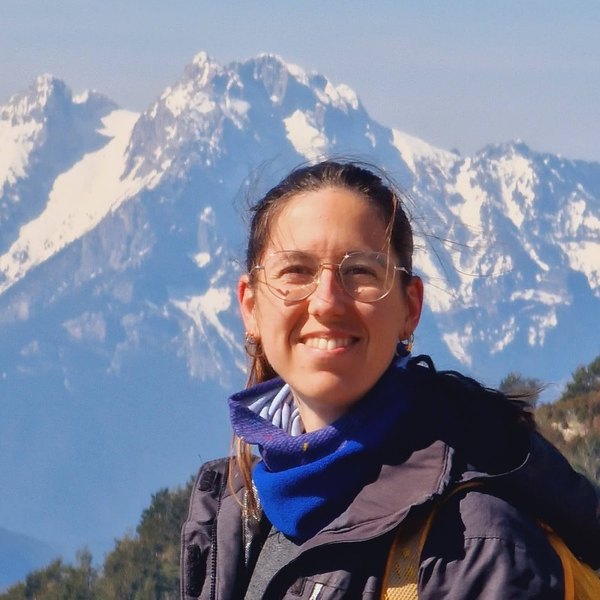
I am Andrea Maquillón, currently President and a volunteer at CEHDA.
After taking part in several volunteering experiences with migrant people, I became involved with CEHDA in 2019 to provide support in my local community in Sant Vicenç dels Horts.
Through the organisation, I accompany migrant people and help them build links with the municipality and local support networks, with the aim of being another helping hand they can rely on.
I have studied Psychology and Social Education and work professionally in the field of intellectual disability.
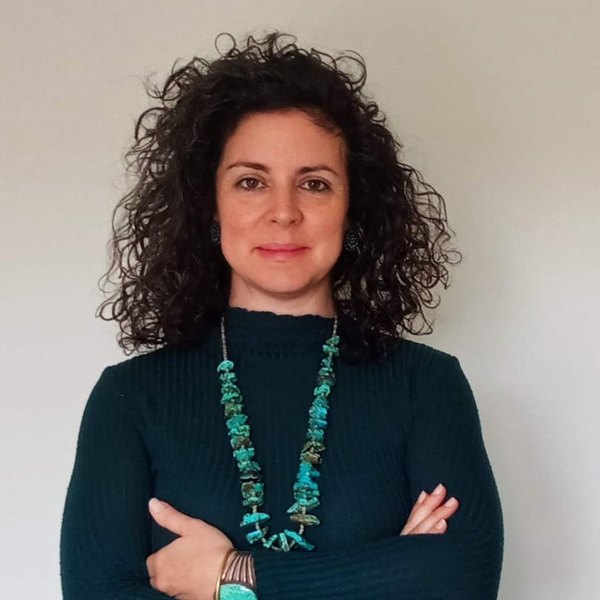
I have been a volunteer, a board member and CEHDA’s technical coordinator.
I am currently once again a member of the board, serving as Gender Officer.
I hold a degree in Forestry Engineering and a PhD in social capital and feminist political ecology.
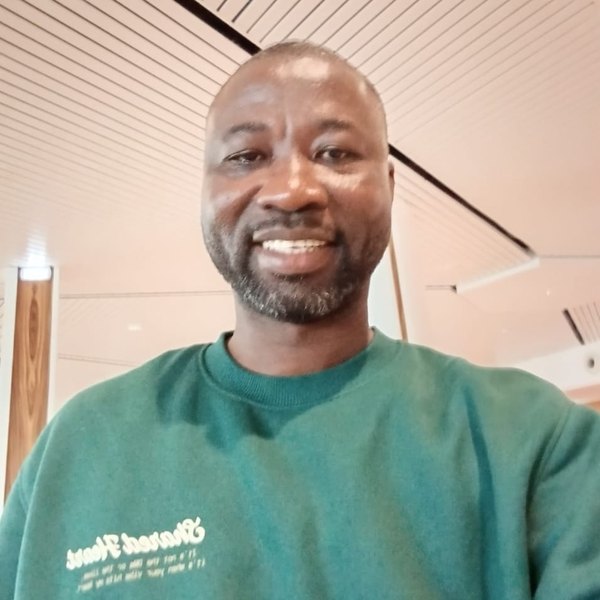
I am a professional with more than ten years of experience working as an educator and community mediator in different social projects.
I have worked with a wide range of groups, including young people, women, migrant people and people with disabilities.
I also have experience coordinating social projects and I am currently President of the Association of Ghanaians in Catalonia.
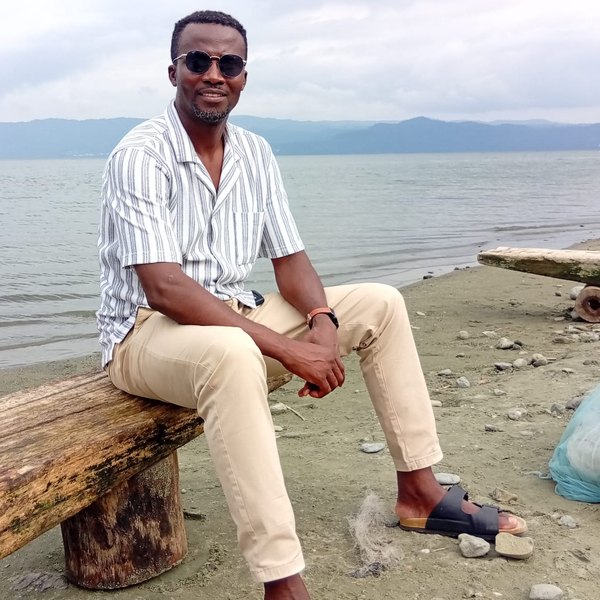
I am Majeed Jeedor Seidu, and I am passionate about sport.
I was born in Ghana and have lived in Catalonia, specifically in Barcelona, for more than twelve years.
One of my first experiences in the country was with CEHDA, as I was part of the first group involved in the launch of the ecological agriculture project in Maçanet de la Selva.
I am currently a football coach and continue my training to grow both personally and professionally within the field of sport, as I firmly believe in its social potential.
I am proud to be part of CEHDA because it is part of my journey, and I believe it can also become part of many other people’s journeys.
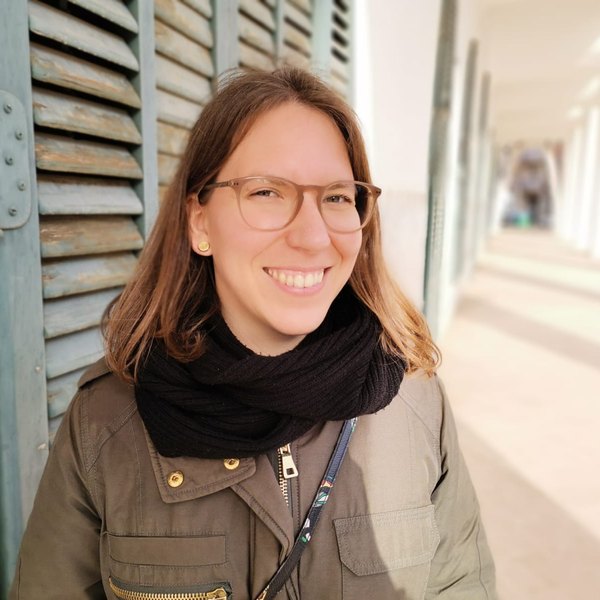
I am Marina López, a secondary school teacher and counsellor at a public school.
For many years, I have been involved in volunteering and global justice, collaborating in different projects.
I have been a member and volunteer at CEHDA in Catalonia for several years and, during the summer of 2019, I collaborated in the project the organisation runs in Sawla, Ghana.
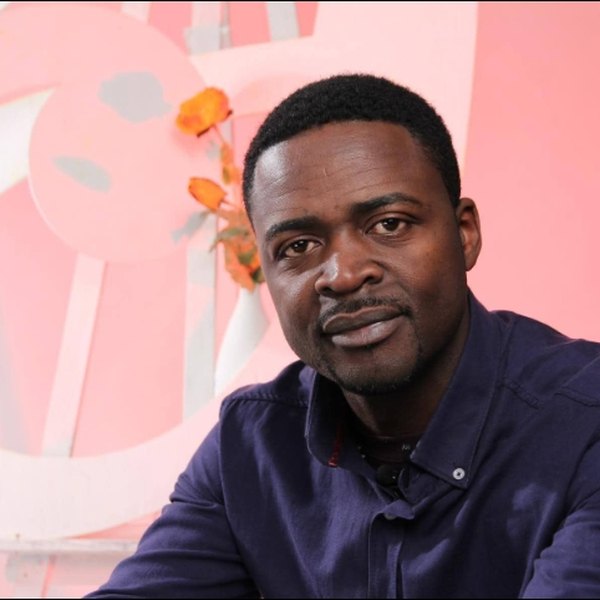
I was born in Cameroon. I am a writer and social integration professional.
I am also an activist against violations of rights and discrimination affecting people at risk of social exclusion.
What we do
We believe that future generations will want to live in a fair, sustainable and borderless society, where racist and xenophobic discourses, attitudes and behaviours are a challenge of the past. A society where citizens live together in a prosperous environment based on a circular economy, built on equity, the richness of cultural encounters and the freedom of movement of people. Therefore, our vision is that of an environmentally and socially sustainable world where everyone can live and move wherever they wish, in dignified conditions and with rights, and where, if they choose to migrate, they can do so safely and legally. In short:
“we want a fair and sustainable glocal world”
Mission: We work to create local and sustainable opportunities that allow both rural communities in Ghana and migrant people in Catalonia to live with dignity.
In the Sawla-Tuna-Kalba District, located in northern Ghana, we work alongside educational centres with girls, boys and young people, as well as with older people, “elders”, who are respected figures and wise members of the community, in order to value local and ancestral knowledge for a life in harmony with the environment. In this way, we cultivate the land with local products to offer educational and employment opportunities to the community according to its needs, and we take care of a seed bank and seedlings for reforestation.
Every year, many people migrate from rural towns such as Sawla to large cities or to Europe due to the lack of prospects for an encouraging future in their hometown. We understand that the reasons why people decide to migrate are diverse and complex, but different testimonies confirm that implementing local projects that improve quality of life and opportunities in rural areas can, in many cases, provide an alternative to migration. CEHDA’s projects in the Sawla District support the community in developing local activities that improve people’s quality of life in a sustainable way and in accordance with local traditions.
In Catalonia we carry out support, training and residential reception projects for migrant people, mostly from Africa, who have arrived in Spanish territory in an irregular administrative situation under Spanish legislation. During the two-year period in which undocumented migrant people must be registered continuously in the municipal register —before they can apply for a residence and work permit— CEHDA provides support in different personal, social, educational and professional areas to help them put down roots here, strengthen their sense of belonging to the territory, build networks and increase their chances of finding employment opportunities in ecological agriculture or in other sectors once the two years have passed.
How we do it
In Ghana we work alongside local people with expertise in education, such as teachers and local school headteachers, as well as local farmers and young people interested in agriculture. We have a multipurpose space for educational programmes and eight hectares of farmland on the outskirts of the town of Sawla.
In Catalonia we work alongside African and Catalan people who become involved in the projects professionally or as volunteers. We also collaborate with specialised organisations with which we provide training in ecological agriculture, and we promote self-employment through the cultivation and distribution of vegetable baskets. We have two reception spaces provided by private individuals for the people who take part in the project, mostly African people in vulnerable situations.
Our work is based on a series of commitments regarding human rights and gender equality, which are reflected and articulated in our institutional commitments charter, our statutes, our organisational structure, as well as in our recurring reflection and care processes and in our current policies and protocols:
- Institutional commitments
- Safeguarding Policy
- Human Rights and Gender Equality Policy
- Protocol for the prevention and handling of sexual harassment, harassment based on gender and sexual orientation, and gender-based violence.
Values
We are people who support and accompany other people. And when we do so:
we are authentic because we put people at the centre and work on the causes and impacts of the migration phenomenon with first-hand knowledge, since the people who work for the organisation and volunteer with it have experienced many of the injustices we work to address.
We are unique because we work from a glocal perspective, both in countries of origin and destination, integrating the social and environmental aspects of the migration phenomenon.
And we are solution-oriented because we carry our commitments through to the end in a creative, comprehensive and professional way, with an intercultural and feminist perspective, while strengthening the wide range of skills within our working teams.
Transparency
Association documents
- Statutes
- Board remuneration certificate
- Human Rights and Gender Equality Policy
- Safeguarding Policy and Code of Conduct
- Digital disconnection protocol
- Protocol for the prevention and handling of sexual harassment, harassment based on gender and sexual orientation, and gender-based violence
- CEHDA institutional commitments
CEHDA annual reports
CEHDA Annual Report 2025
CEHDA Annual Report 2024
CEHDA Annual Report 2023
CEHDA Annual Report 2022
CEHDA Annual Report 2021
CEHDA Annual Report 2020
If you would like to consult previous reports, please send us an email.
Financial reports
- Financial report 2020
- Financial report 2021
- Financial report 2022
- Financial report 2023
- Financial report 2024
- Financial report 2025
Publications
- This is your home
- Voices of the world, voices of the neighbourhood at school
- Ancestral Recipes Book
- MigrART
Member of: |
|||
|

|
|
|
With the support of: |
|||
|
|

|

|
|

|
|

|
|

|
|

|
|
|||
In collaboration with: |
|||

|
|
||